As neural networks grow in influence and capability, understanding the mechanisms behind their decisions remains a fundamental scientific challenge. This gap between performance and understanding limits our ability to predict model behavior, ensure reliability, and detect sophisticated adversarial or deceptive behavior. Many of the deepest scientific mysteries in machine learning may remain out of reach if we cannot look inside the black box.
Mechanistic interpretability addresses this challenge by developing principled methods to analyze and understand a model’s internals–weights and activations–and to use this understanding to gain greater insight into its behavior, and the computation underlying it.
The field has grown rapidly, with sizable communities in academia, industry and independent research, dedicated startups, and a rich ecosystem of tools and techniques. Following our workshops at ICML 2024 and NeurIPS 2025, this edition at ICML 2026 aims to bring together diverse perspectives from the community to discuss recent advances, build common understanding and chart future directions.
Call for papers (closed): mechinterpworkshop.com/cfp
The workshop takes place on Friday, July 10, 2026, at ICML in Seoul. This year’s accepted posters — including 23 spotlights — are now online. We look forward to seeing you there!
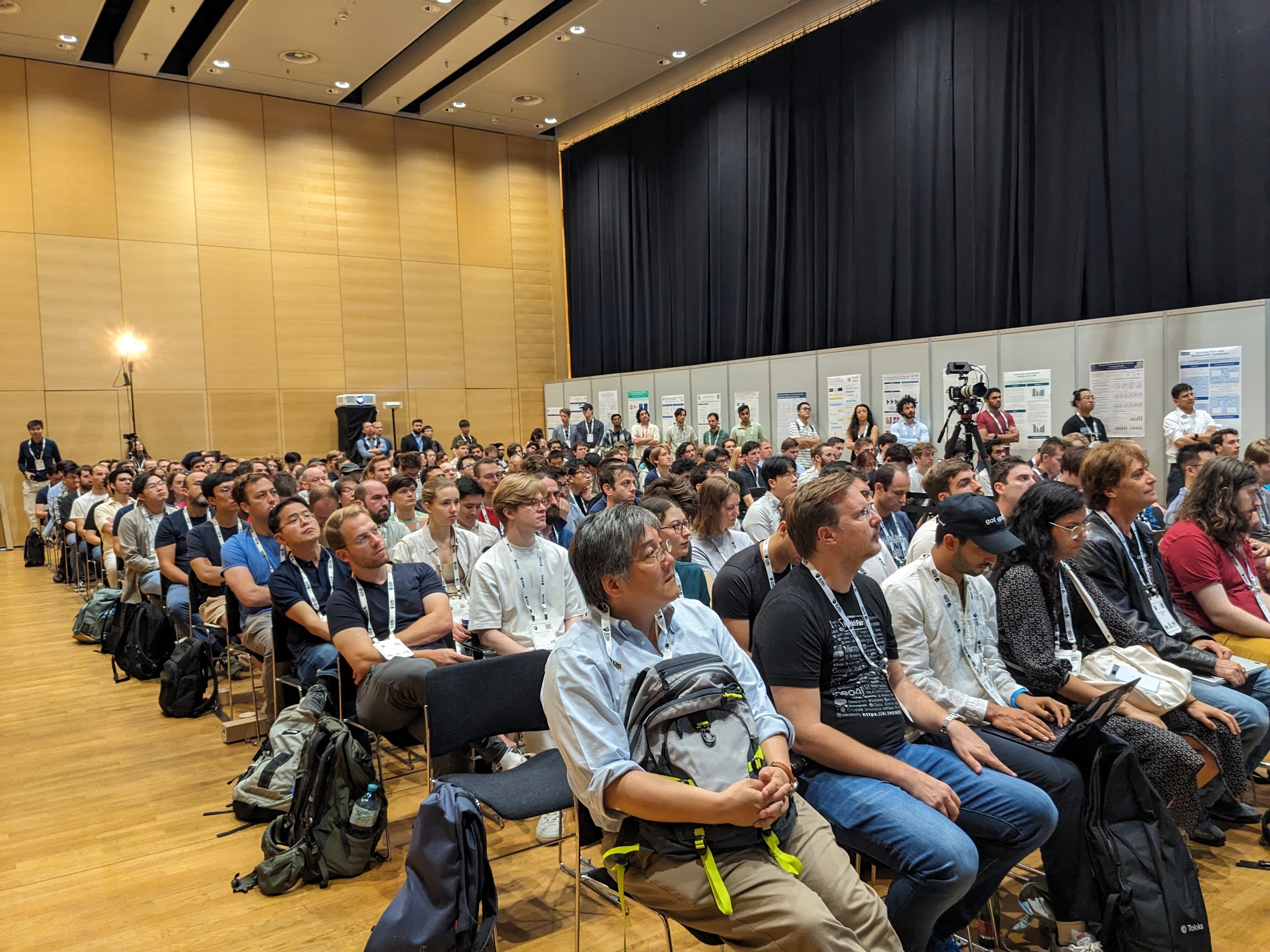
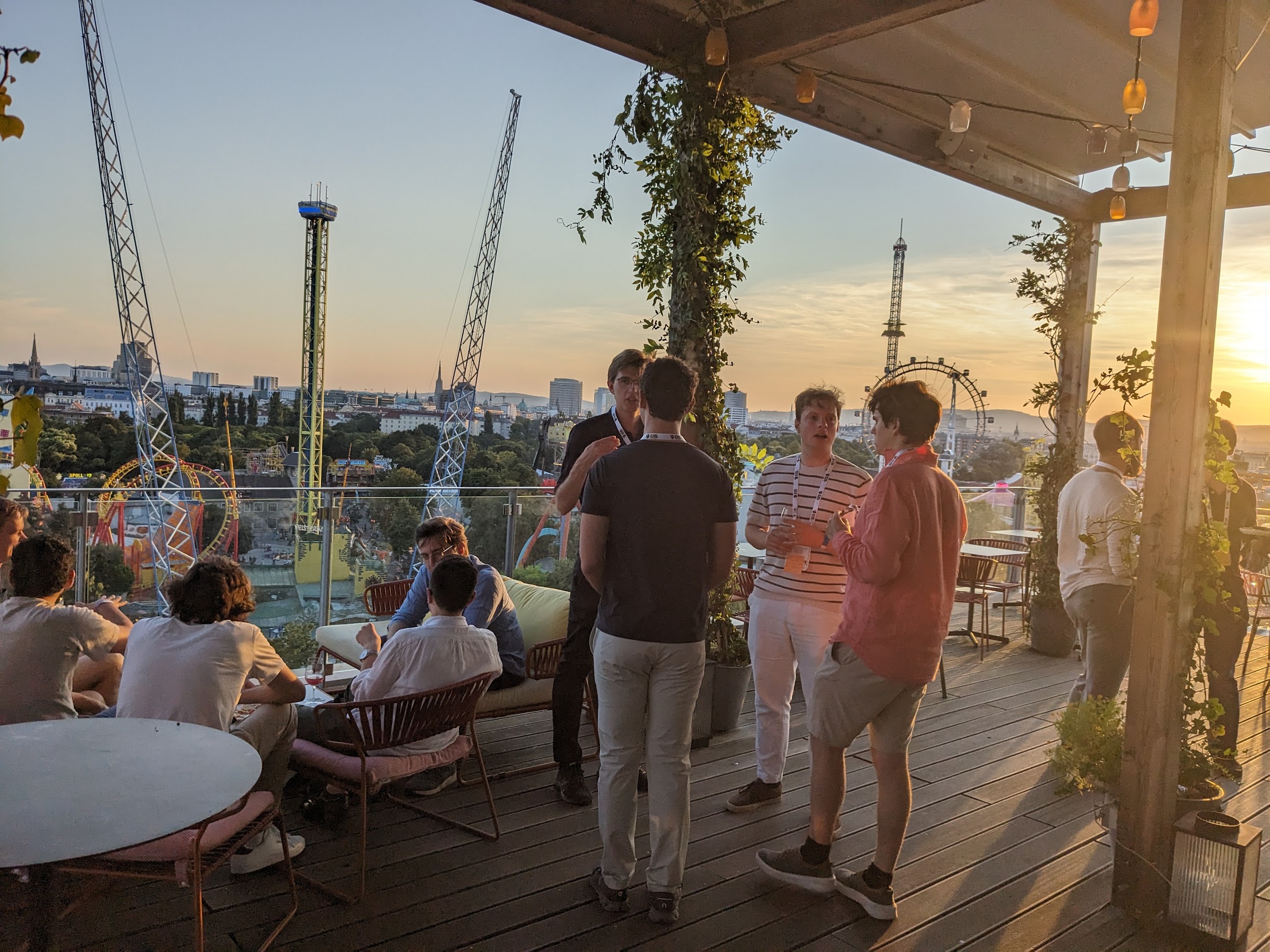
The first Mechanistic Interpretability Workshop (ICML 2024).
Organizing Committee

Neel Nanda
Google DeepMind

Andrew Lee
Harvard

Andy Arditi
Northeastern University

Stefan Heimersheim
Adecco

Anna Soligo
Imperial College London

J Rosser
University of Oxford

Iván Arcuschin
Poseidon Research

Taero Kim
Yonsei University

Sungjun Lim
Yonsei University
Sponsors

What are those beautiful rainbow flower things?
These are visualizations of "curve detector" neurons from early mechanistic interpretability research. Learn more in the Curve Detectors article on Distill.
Questions? Email mechinterpworkshop@gmail.com